
Homes for Sale in Norwalk, Connecticut
Find homes for sale in Norwalk, CT, including luxury properties, condos, and
investment real estate. Work with a local expert.
Norwalk, Connecticut
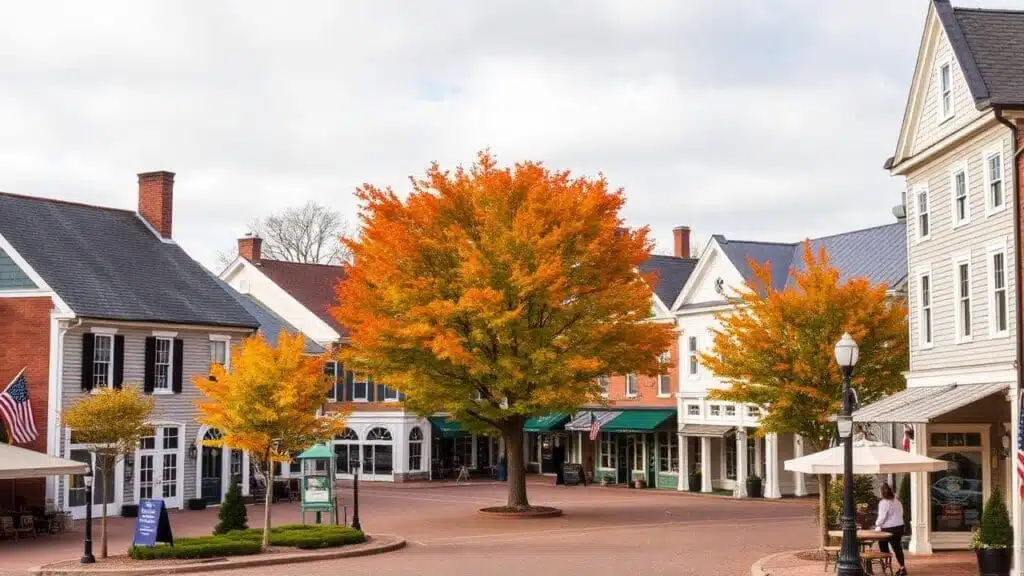
Three Metro-North stations. Twenty-one miles of shoreline. A downtown renaissance that rivals
any city twice its size. Norwalk is Fairfield County’s best-kept secret — and the market is
catching on.
A City That Defies the Stereotype
Most people moving to Fairfield County think of Greenwich first, then Westport, then Darien. Norwalk rarely tops the list — until they visit. What
they discover is a coastal city of roughly 91,000 residents that delivers something no other town
along Connecticut’s Gold Coast can match: genuine urban vitality layered onto a classic New
England waterfront setting, at price points that give buyers significantly more house for their
money than neighboring communities to the east and west.
Norwalk stretches across twenty-one miles of Long Island Sound shoreline, from the intimate
village of Rowayton on its western edge to the public beaches of East Norwalk on its eastern
border. In between sits South Norwalk — known locally as SoNo — a revitalized waterfront
district that has become one of the most compelling dining, shopping, and nightlife destinations
in coastal Connecticut. The Maritime Aquarium anchors the waterfront. Washington Street hums
with farm-to-table restaurants, craft breweries like Spacecat Brewing Company, and
independent boutiques. The SoNo Collection, a modern retail destination featuring national
brands alongside local merchants, draws shoppers from across the region. And the annual
SoNo Arts Festival fills the streets each August with visual art, live music, and the beloved
Puppet Parade that has become a signature cultural event for the entire county.
What makes Norwalk particularly attractive to buyers [LINK: relocating from New York City →
/relocation-guide-ct-fl/] is the infrastructure. Three Metro-North stations — South Norwalk, East
Norwalk, and Rowayton — provide direct service to Grand Central Terminal in approximately
sixty to eighty minutes depending on the train schedule and station. Interstate 95 and the Merritt
Parkway both pass through the city, Route 7 offers a direct corridor north to Danbury and the
Litchfield Hills, and the Norwalk Transit District operates local bus routes connecting
neighborhoods to commercial centers and train stations. For a city its size, the transportation
connectivity is exceptional — and it explains why Norwalk’s commuter population rivals towns
with significantly higher price tags.
The Norwalk Real Estate Market in 2026
Norwalk’s housing market has tightened considerably over the past two years, and the data
paints a clear picture of seller control. The average home value sits at approximately $557,000,
with median sale prices reaching $620,000 — a figure reflecting steady year-over-year
appreciation of roughly four and a half percent. Homes are moving fast, going to pending status
in an average of just twelve days from listing. The competitive pressure is real: more than half of
all homes sold in recent months have closed above asking price, with the overall sale-to-list
ratio running above 102 percent.
paints a clear picture of seller control. The average home value sits at approximately $557,000,
with median sale prices reaching $620,000 — a figure reflecting steady year-over-year
appreciation of roughly four and a half percent. Homes are moving fast, going to pending status
in an average of just twelve days from listing. The competitive pressure is real: more than half of
all homes sold in recent months have closed above asking price, with the overall sale-to-list
ratio running above 102 percent.
Norwalk, CT features a diverse inventory including luxury estates, modern new construction, waterfront residences, condominiums, and multifamily investment properties. This diversity allows both end-users and investors to find opportunities aligned with their goals.
Inventory remains constrained across every price tier and neighborhood. Roughly 100 homes
are available at any given time, with months of supply hovering near 1.7 — well below the
six-month threshold that would indicate a balanced market. For buyers, this environment
demands preparation and decisiveness. Pre-approval from a lender, clearly defined search
criteria, and an experienced agent who understands the micro-markets within Norwalk are not
luxuries — they are necessities. Walking into an open house without financing in hand is a
recipe for losing the property to a more prepared competitor.Norwalk’s housing market has tightened considerably over the past two years, and the data
paints a clear picture of seller control. The average home value sits at approximately $557,000,
with median sale prices reaching $620,000 — a figure reflecting steady year-over-year
appreciation of roughly four and a half percent. Homes are moving fast, going to pending status
in an average of just twelve days from listing. The competitive pressure is real: more than half of
all homes sold in recent months have closed above asking price, with the overall sale-to-list
ratio running above 102 percent.
Norwalk, CT features a diverse inventory including luxury estates, modern new construction, waterfront residences, condominiums, and multifamily investment properties. This diversity allows both end-users and investors to find opportunities aligned with their goals.
For sellers, the current environment rewards strategic pricing. Homes priced correctly from day
one attract multiple offers and close above list price; those that sit on the market beyond the first
two weeks tend to require reductions that erode negotiating leverage and signal weakness to
increasingly savvy buyers. If you are considering selling in Norwalk, the combination of low
inventory and strong demand makes this a compelling window — but execution matters as
much as timing.
The entry point that makes Norwalk especially compelling for real estate investors and value-conscious buyers alike is the price gap relative to its
neighbors. Comparable waterfront or walk-to-train propertiesin Greenwich, Darien, or Westport carry premiums of thirty to sixty percent or more. Norwalk
delivers the same commute corridor, the same coastal lifestyle, and in many cases superior
walkability — at a price point that allows buyers to invest in the home itself rather than paying
exclusively for the zip code. That value differential is one of the primary reasons appreciation in
Norwalk has outpaced several of its more expensive neighbors over the past three years.
Distinct Neighborhoods, One City
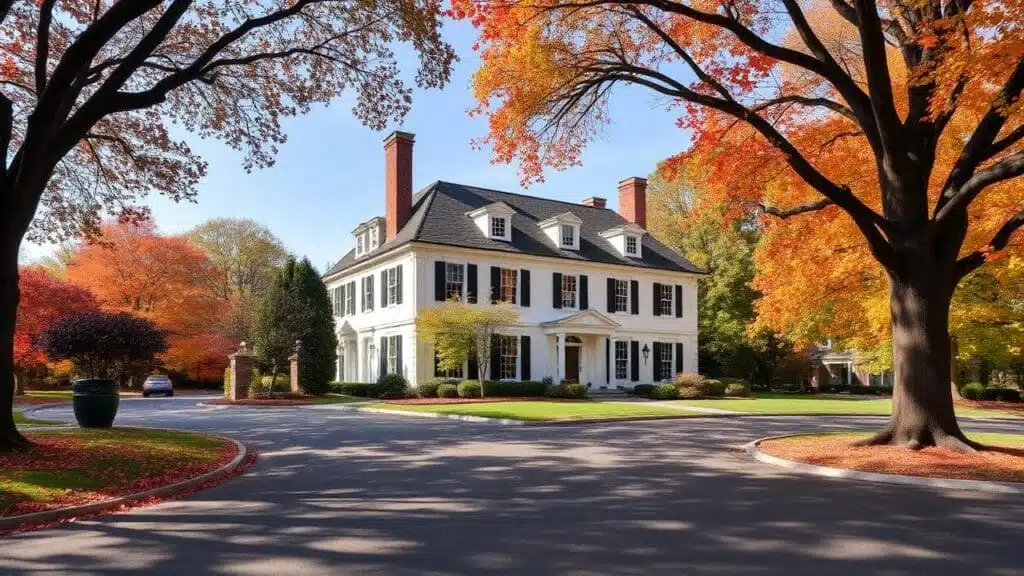
One of Norwalk’s defining characteristics is its diversity of neighborhoods. Unlike smaller
Fairfield County towns that offer a relatively uniform residential experience, Norwalk contains
genuinely distinct communities — each with its own character, price range, architectural identity,
and lifestyle appeal. The city officially recognizes more than twenty neighborhoods and village
areas, but six stand out as the primary residential markets that drive buyer interest and
transaction volume. Understanding these micro-markets is essential to finding the right home
and negotiating effectively.
Rowayton
A coastal village that feels like a separate New England town entirely. Bayley Beach, Pinkney
Park along Five Mile River, its own Metro-North station, and Rowayton Elementary School —
rated among the best in Norwalk — define the community. Waterfront homes here command
premiums well above the citywide median, but the village scale and active boating culture attract
buyers who value charm, intimacy, and deep-water access over square footage. One local
comparison captures it perfectly: if Manhattan were San Francisco, Rowayton would be
Sausalito. The tight-knit community calendar, sailing clubs, and walkable commercial pocket
create a lifestyle that is genuinely difficult to replicate elsewhere in the county. Buyers
considering Rowayton should also explore our waterfront homes guide for a broader view of coastal options.
South Norwalk (SoNo)
The cultural and commercial engine of the city. A former industrial harbor district transformed
over two decades into a walkable neighborhood of restaurants, galleries, craft breweries, and
waterfront condominiums. The Maritime Aquarium draws families year-round. The Wall Street
Theater has become a regional destination for concerts, comedy, and theatrical productions.
The vintage SoNo Switch Tower Museum, housed in a fully restored 1896 railroad tower,
connects visitors to the area’s maritime and rail heritage. Walk-to-train condos near South
Norwalk station are among the most sought-after properties in the city — appealing equally to
young professionals commuting to Manhattan and empty-nesters downsizing from larger
Fairfield County homes who want walkability without giving up the suburbs entirely.
East Norwalk
A beachfront neighborhood anchored by Calf Pasture Beach — one of the largest public
beaches in Fairfield County — and Shady Beach Park. Colonial and Craftsman-style homes line
tree-shaded streets within walking distance of the East Norwalk train station, which provides its
own direct Metro-North service to Grand Central. The community has a quieter, more residential
character than SoNo, appealing to families who want daily coastal access, a neighborhood
elementary school, and proximity to the water without the intensity of the downtown waterfront
district. Veterans Memorial Park, which hosts the annual Norwalk Oyster Festival each
September, sits at the neighborhood’s eastern edge.
Silvermine
Tucked into the wooded hills along the Norwalk–New Canaan–Wilton border, Silvermine is the
artistic soul of the city. Winding country roads, mature tree canopy, and the nationally
recognized Silvermine Arts Center define its character. GrayBarns, a refined restaurant and inn
occupying the site of the former Silvermine Tavern, anchors the dining scene. Silvermine Golf
Club rounds out the recreational options. Homes here tend toward larger lots — half-acre to two
acres — with a sense of privacy and seclusion that feels more exurban than suburban. Buyers
drawn to Silvermine typically value land, natural surroundings, and an artistic community over
walkability and urban convenience.
artistic soul of the city. Winding country roads, mature tree canopy, and the nationally
recognized Silvermine Arts Center define its character. GrayBarns, a refined restaurant and inn
occupying the site of the former Silvermine Tavern, anchors the dining scene. Silvermine Golf
Club rounds out the recreational options. Homes here tend toward larger lots — half-acre to two
acres — with a sense of privacy and seclusion that feels more exurban than suburban. Buyers
drawn to Silvermine typically value land, natural surroundings, and an artistic community over
walkability and urban convenience.
Cranbury
A family-oriented neighborhood near the Earthplace nature preserve — a forty-acre
environmental center with trails, wildlife exhibits, and year-round programming — and the
original Stew Leonard’s flagship grocery store. Mid-century colonials and raised ranches on
quarter-acre lots predominate, offering solid value for families prioritizing school proximity,
neighborhood stability, and a suburban pace. Brien McMahon High School, which earns strong
ratings and offers a specialized marine science learning pathway, serves the area. Cranbury
represents Norwalk’s reliable middle market: well-maintained homes, established streets, and a
community identity that has remained consistent for decades.
environmental center with trails, wildlife exhibits, and year-round programming — and the
original Stew Leonard’s flagship grocery store. Mid-century colonials and raised ranches on
quarter-acre lots predominate, offering solid value for families prioritizing school proximity,
neighborhood stability, and a suburban pace. Brien McMahon High School, which earns strong
ratings and offers a specialized marine science learning pathway, serves the area. Cranbury
represents Norwalk’s reliable middle market: well-maintained homes, established streets, and a
community identity that has remained consistent for decades.
West Norwalk & Wolfpit
Interior neighborhoods with direct access to both the Merritt Parkway and I-95. Larger lots, more
contemporary construction, and a quieter suburban pace define these communities. Fox Run
Elementary School and Wolfpit Elementary School anchor the family infrastructure. Nearby
parks and recreational facilities provide green space without the premium of waterfront
proximity. These neighborhoods appeal to buyers seeking space and value within the Norwalk
school district — particularly those whose commute takes them north along Route 7 toward
Danbury or Stamford’s Merritt 7 corporate corridor rather than south into Manhattan.
Schools and Education
Norwalk Public Schools serve approximately 11,500 students across twenty-one schools,
making it one of the larger districts in Fairfield County. The system includes neighborhood
elementary schools, magnet programs with specialized curricula, middle schools, and two
comprehensive high schools. Brien McMahon High School offers Advanced Placement courses
across multiple disciplines and a marine science learning pathway that takes advantage of
Norwalk Public Schools serve approximately 11,500 students across twenty-one schools,
making it one of the larger districts in Fairfield County. The system includes neighborhood
elementary schools, magnet programs with specialized curricula, middle schools, and two
comprehensive high schools. Brien McMahon High School offers Advanced Placement courses
across multiple disciplines and a marine science learning pathway that takes advantage of
Norwalk’s waterfront location — students study marine biology, environmental science, and
maritime history with direct access to Long Island Sound. Norwalk High School provides
additional academic tracks, career and technical education, and extracurricular programming
that spans athletics, performing arts, and community service. The districtwide graduation rate
sits at approximately 92 percent, and 41 percent of Norwalk residents hold a bachelor’s degree
or higher — slightly above the Connecticut state average.
Interior neighborhoods with direct access to both the Merritt Parkway and I-95. Larger lots, more
contemporary construction, and a quieter suburban pace define these communities. Fox Run
Elementary School and Wolfpit Elementary School anchor the family infrastructure. Nearby
parks and recreational facilities provide green space without the premium of waterfront
proximity. These neighborhoods appeal to buyers seeking space and value within the Norwalk
school district — particularly those whose commute takes them north along Route 7 toward
Danbury or Stamford’s Merritt 7 corporate corridor rather than south into Manhattan.
Norwalk’s waterfront location — students study marine biology, environmental science, and
maritime history with direct access to Long Island Sound. Norwalk High School provides
additional academic tracks, career and technical education, and extracurricular programming
that spans athletics, performing arts, and community service. The districtwide graduation rate
sits at approximately 92 percent, and 41 percent of Norwalk residents hold a bachelor’s degree
or higher — slightly above the Connecticut state average.
Within the district, school quality varies by neighborhood — a factor that directly influences
home values and buyer demand. Rowayton Elementary School consistently earns strong
ratings and is a significant draw for families considering that village. The Center for Global
Studies, a magnet school, offers an internationally focused curriculum that attracts families from
across the city. For families seeking private or parochial education, Norwalk offers options
locally, and the city’s central Fairfield County location provides convenient access to
independent schools in Greenwich, Stamford, and New Canaan — including Brunswick School,
Greenwich Academy, King School, and Rippowam Cisqua. The breadth of educational choices,
both public and private, is one of Norwalk’s advantages over smaller Fairfield County towns
where options are more limited.
Culture, Recreation, and Quality of Life
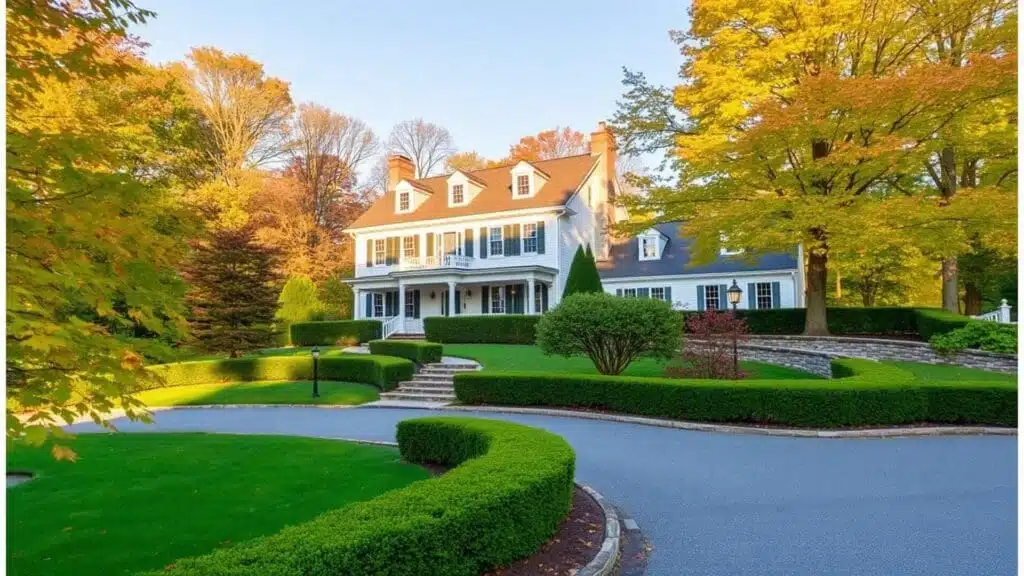
Norwalk’s cultural calendar runs deeper than most Fairfield County towns, a direct result of its
size and its sustained investment in arts infrastructure over the past two decades. The Norwalk
Oyster Festival, held each September at Veterans Memorial Park, draws tens of thousands of
visitors to celebrate the city’s maritime heritage with live music, carnival rides, oyster tastings,
and local seafood vendors — it is one of the largest waterfront festivals in the Northeast. The
SoNo Arts Festival each August fills Washington Street with visual art booths, street performers,
live music, and the Puppet Parade. The Norwalk Symphony Orchestra performs a full season of
concerts year-round at various venues across the city. The Rowayton Arts Center provides
exhibition space and community programming. And the annual Pride in the Park celebration,
Norwalk Earth Day festival, and Holiday Tree Lighting ceremony round out a calendar that
keeps the city active and connected across all four seasons.
Outdoor recreation matches the cultural depth. Twenty-one miles of coastline provide access to
public beaches, marinas, kayak launches, and harbor cruises. Calf Pasture Beach offers
summer swimming, picnicking, lifeguard service, and seasonal events including fireworks. The
Norwalk River Valley Trail links neighborhoods to green space along the river corridor, providing
walking and cycling paths that connect residential areas to commercial centers and parks.
Cranbury Park offers hiking trails, athletic fields, and the historic Gallaher Mansion for
community events and private functions. For boaters, Norwalk Harbor and the Five Mile River in
Rowayton provide deep-water access to Long Island Sound and the Norwalk Islands — a chain
of small, largely undeveloped islands that create some of the finest sailing waters in western
Connecticut and serve as a protected bird sanctuary managed by the Stewart B. McKinney
National Wildlife Refuge.
The dining scene has matured significantly over the past decade, particularly in SoNo and along
the Washington Street corridor. The neighborhood now offers everything from upscale
farm-to-table restaurants and fresh-catch seafood houses to craft breweries, artisanal bakeries,
and wine bars. Dockside spots along the harbor let diners watch the historic railroad drawbridge
lift for passing boats — a scene that captures the working-waterfront character that
distinguishes Norwalk from more manicured Fairfield County towns. The annual Dine Norwalk
Restaurant Week has grown into a regional culinary event. And for everyday provisioning, Stew
Leonard’s — the family-owned grocery chain that started right here in Norwalk — remains a
local institution, destination, and point of civic pride.
Commuting from Norwalk to New York City
Transportation infrastructure is one of Norwalk’s strongest competitive advantages against other
Fairfield County towns — and it is the single factor that most directly supports the city’s
long-term real estate value. Norwalk is served by three Metro-North Railroad stations on the
New Haven Line — South Norwalk, East Norwalk, and Rowayton — providing direct service to
Grand Central Terminal. Express trains from South Norwalk reach Midtown Manhattan in
approximately sixty minutes; local service runs closer to seventy-five to eighty minutes. Service
frequency during peak commuting hours runs every twenty to thirty minutes, and
reverse-commute options serve residents working in Stamford or Bridgeport. For commuters
who split time between office and home — an increasingly common arrangement since the
pandemic reshaped corporate work culture — three stations means three options for parking
availability, schedule flexibility, and neighborhood proximity.
Beyond rail, Norwalk sits at the intersection of Interstate 95 and the Merritt Parkway, with Route
7 providing a direct north-south corridor to Danbury and beyond. The Norwalk Transit District
operates local bus routes connecting residential neighborhoods to train stations, commercial
areas, and the Transportation Hub downtown. Ride-sharing services are widely available
throughout the city. And Norwalk’s increasing investment in pedestrian infrastructure and cycling
connectivity — particularly around SoNo, the waterfront, and the Norwalk River Valley Trail —
reflects a broader municipal commitment to multi-modal transportation that younger buyers and
families find genuinely appealing.
For buyers relocating from Manhattan, Brooklyn, or Jersey City,
Norwalk’s transit profile compares favorably to many outer-borough commutes that city
residents already tolerate. The train ride from South Norwalk to Grand Central is roughly
equivalent in duration to a subway commute from deep Brooklyn or Washington Heights — but
at the end of the ride, you step off into a walkable waterfront neighborhood with restaurants,
parks, and harbor views rather than another stretch of urban concrete. That trade-off is driving a
meaningful and growing share of current buyer demand, particularly among professionals in
their thirties and forties with young families who want space, schools, and coastal access
without sacrificing the professional connectivity they built their careers around.
The dining scene has matured significantly over the past decade, particularly in SoNo and along
the Washington Street corridor. The neighborhood now offers everything from upscale
farm-to-table restaurants and fresh-catch seafood houses to craft breweries, artisanal bakeries,
and wine bars. Dockside spots along the harbor let diners watch the historic railroad drawbridge
lift for passing boats — a scene that captures the working-waterfront character that
distinguishes Norwalk from more manicured Fairfield County towns. The annual Dine Norwalk
Restaurant Week has grown into a regional culinary event. And for everyday provisioning, Stew
Leonard’s — the family-owned grocery chain that started right here in Norwalk — remains a
local institution, destination, and point of civic pride.
Why Buyers and Investors Are Choosing Norwalk Now
The conversation around Norwalk has shifted materially over the past several years, and the
shift is showing up in transaction data, not just anecdotes. What was once considered a more
affordable alternative to Fairfield County’s prestige towns is now recognized as a destination in
its own right — a city with its own economic engine, cultural identity, and growth trajectory that
exists independent of its relationship to Greenwich or Westport. The SoNo renaissance brought
dining, retail, and nightlife infrastructure that rivals downtown Stamford and exceeds what most
suburban Fairfield County towns can offer. New residential construction near the train stations
has attracted younger buyers and empty-nesters who want walkable urban living without leaving
the suburbs. And the remote-work reshuffling that accelerated during the pandemic made
Norwalk’s combination of urban amenities, coastal access, and Manhattan connectivity
irresistible to a generation of buyers who might have previously defaulted to Brooklyn or
Hoboken.
shift is showing up in transaction data, not just anecdotes. What was once considered a more
affordable alternative to Fairfield County’s prestige towns is now recognized as a destination in
its own right — a city with its own economic engine, cultural identity, and growth trajectory that
exists independent of its relationship to Greenwich or Westport. The SoNo renaissance brought
dining, retail, and nightlife infrastructure that rivals downtown Stamford and exceeds what most
suburban Fairfield County towns can offer. New residential construction near the train stations
has attracted younger buyers and empty-nesters who want walkable urban living without leaving
the suburbs. And the remote-work reshuffling that accelerated during the pandemic made
Norwalk’s combination of urban amenities, coastal access, and Manhattan connectivity
irresistible to a generation of buyers who might have previously defaulted to Brooklyn or
Hoboken.
Transportation infrastructure is one of Norwalk’s strongest competitive advantages against other
Fairfield County towns — and it is the single factor that most directly supports the city’s
long-term real estate value. Norwalk is served by three Metro-North Railroad stations on the
New Haven Line — South Norwalk, East Norwalk, and Rowayton — providing direct service to
Grand Central Terminal. Express trains from South Norwalk reach Midtown Manhattan in
approximately sixty minutes; local service runs closer to seventy-five to eighty minutes. Service
frequency during peak commuting hours runs every twenty to thirty minutes, and
reverse-commute options serve residents working in Stamford or Bridgeport. For commuters
who split time between office and home — an increasingly common arrangement since the
pandemic reshaped corporate work culture — three stations means three options for parking
availability, schedule flexibility, and neighborhood proximity.
For real estate investors, the fundamentals are
compelling. Steady appreciation running above four percent annually, constrained inventory
creating pricing power for sellers, strong rental demand near the three train stations, and a
price-per-square-foot advantage versus Greenwich, Darien, and Westport create a value
proposition that both institutional and individual investors have begun to recognize. The city’s
ongoing infrastructure investment — including streetscape improvements throughout SoNo, new
elementary school construction in South Norwalk, and transit-oriented mixed-use development
near Merritt 7 — signals a growth trajectory backed by municipal commitment and capital
expenditure, not just market sentiment.
Luxury buyers will find compelling opportunities in Rowayton’s
waterfront market, Silvermine’s private estate properties, and the growing inventory of high-end
new-construction condominiums in SoNo that offer turnkey finishes with harbor views. Buyers
exploring commercial real estate opportunities will find
Norwalk’s Merritt 7 corporate corridor — home to major employers including Booking Holdings,
Empower, and FactSet — and SoNo’s mixed-use redevelopment district particularly worth
evaluating for long-term investment positioning.
waterfront market, Silvermine’s private estate properties, and the growing inventory of high-end
new-construction condominiums in SoNo that offer turnkey finishes with harbor views. Buyers
exploring commercial real estate opportunities will find
Norwalk’s Merritt 7 corporate corridor — home to major employers including Booking Holdings,
Empower, and FactSet — and SoNo’s mixed-use redevelopment district particularly worth
evaluating for long-term investment positioning.
Whether you are a first-time buyer looking for a foothold in Fairfield County, a family trading a
Manhattan apartment for a home with a yard and strong schools, an empty-nester downsizing to
a walkable SoNo condo with harbor views and restaurant access, or an investor recognizing the
growth trajectory of a city in the midst of genuine and accelerating transformation — Norwalk
deserves serious, sustained consideration. The value proposition remains strong today, but the
window of relative affordability compared to neighboring Gold Coast towns is narrowing as more
buyers discover what longtime residents have always known: this is one of the most compelling
places to live on the Connecticut shoreline.
Frequently Asked Questions About Norwalk CT Real Estate
The average home value in Norwalk is approximately $557,000, with median sale prices
reaching $620,000 as of early 2026. Home values have appreciated roughly 4.5%
year-over-year. Homes typically go to pending status in about 12 days, and over 55% of
properties sell above asking price — indicating strong seller control in the current market.
Norwalk has three Metro-North Railroad stations — South Norwalk, East Norwalk, and
Rowayton — providing direct service to Grand Central Terminal. Express trains from South
Norwalk reach Midtown in approximately 60 minutes; local service runs 70–80 minutes.
Peak-hour frequency is every 20–30 minutes.
Norwalk’s most sought-after neighborhoods include Rowayton (coastal village with its own train
station and beach), South Norwalk/SoNo (walkable urban waterfront with dining and nightlife),
East Norwalk (beachfront community near Calf Pasture Beach), Silvermine (artistic enclave with
rural character and larger lots), Cranbury (family-oriented near Earthplace nature center), and
West Norwalk/Wolfpit (spacious lots with highway access for non-Manhattan commuters).
Norwalk offers significant value relative to neighboring towns. Comparable waterfront or
walk-to-train properties in Greenwich, Darien, or Westport typically carry premiums of 30% to
60% or more. Norwalk delivers similar Metro-North commute times, the same coastal lifestyle,
and in many cases superior walkability at more accessible price points — making it attractive to
buyers who want Fairfield County living without the top-tier price tag.
Norwalk Public Schools serve about 11,500 students across 21 schools. Brien McMahon High
School offers AP courses and a marine science pathway. The districtwide graduation rate is
approximately 92%, and Rowayton Elementary School is consistently rated among the
strongest in the district. Private and parochial options exist locally, with proximity to Greenwich
and Stamford independent schools including Brunswick, Greenwich Academy, and King School.
Norwalk’s investment fundamentals are strong. Home values have appreciated 4.5%
year-over-year, inventory remains constrained at roughly 1.7 months of supply, and the city’s
ongoing revitalization — including SoNo development, new school construction, and
transit-oriented housing near Merritt 7 — supports continued appreciation. The price gap versus
neighboring prestige towns creates additional upside for patient investors.
Quick Facts
Explore More
- Fairfield County Connecticut Real Estate Guide
- Greenwich CT Real Estate Guide
- Luxury Homes Connecticut & Florida Real Estate Guide
- Palm Beach County Florida Real Estate Guide
- Waterfront Homes Connecticut & Florida Real Estate Guide
- Investment Real Estate Connecticut & Florida Guide
- Commercial Real Estate Connecticut & Florida Guide
- Relocation Guide Connecticut & Florida Real Estate